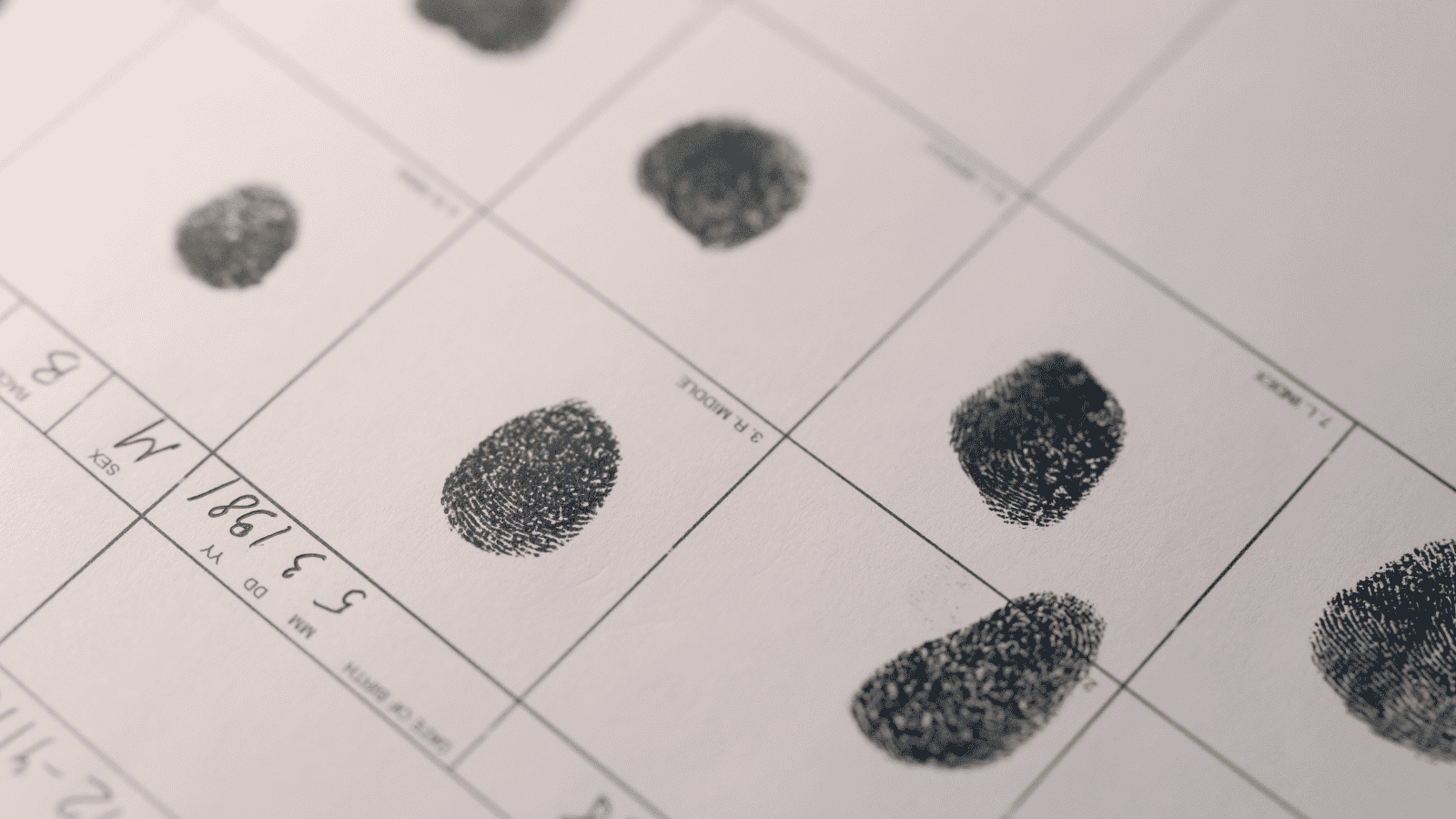
An innovative teaching method highlighted in Forensic Science International encourages students to employ collaborative thinking and critical analysis, bridging traditional disciplinary silos. Martin Kragh explains how i2 Analyst’s Notebook and Analysis Studio can further enhance how students implement the discipline of forensic intelligence using visual analysis tools to join the dots that link people with their crimes.
Historically, forensic science has functioned primarily as a service to the criminal justice system – supporting investigations through the presentation of evidence in court.
However, as the authors of Forensic intelligence teaching and learning in higher education: An international approach, published in the journal Forensic Science International in 2023, argue, this model limits the field’s potential to comprehend crime as a system and to contribute meaningfully to strategic policing through forensic intelligence.
In their study, Marie Morelato et al explore how forensic science education can evolve beyond its traditional reactive frameworks into a more proactive, intelligence-centered discipline.
Importantly, their paper describes an innovative teaching strategy in forensic intelligence that has been developed at the University of Lausanne (Switzerland) and adapted at two other academic institutions – the University of Technology Sydney (Australia), and Université du Québec à Trois-Rivières (Canada) – all of which apply this thinking in the courses they provide.
At its core, this teaching and learning strategy immerses its students in real case scenarios that encourage proactive roles, collaborative thinking and critical analysis – moving them away from seeing the courtroom as the main purpose of forensic science.
The authors explain how the most innovative part of the teaching and learning process is the practical exercise, which includes the completion of seven core tasks. Here, the students rely on data provided by the police and forensic science services and are trained to work collaboratively with fellow forensic scientists alongside investigators, crime analysts and prosecutors.
This fresh approach fosters critical thinking and process-awareness that transcend traditional disciplinary silos, broadening students' perspectives in forensic science.
One particularly compelling reflection from a student captures the essence of this approach: “The subject gave a good overall look at how forensic disciplines can connect.”
This insight highlights the courses’ success in illuminating the interconnected nature of forensic practice – exactly the kind of integrated thinking that forensic intelligence and i2’s visual analysis tools inspire.
For a long time now, graph analysis has been used to connect people to people – mapping social networks, uncovering associations and visualising hidden relationships. Yet, what is often overlooked is that the crucial step in connecting people to crime comes through forensic science and intelligence.
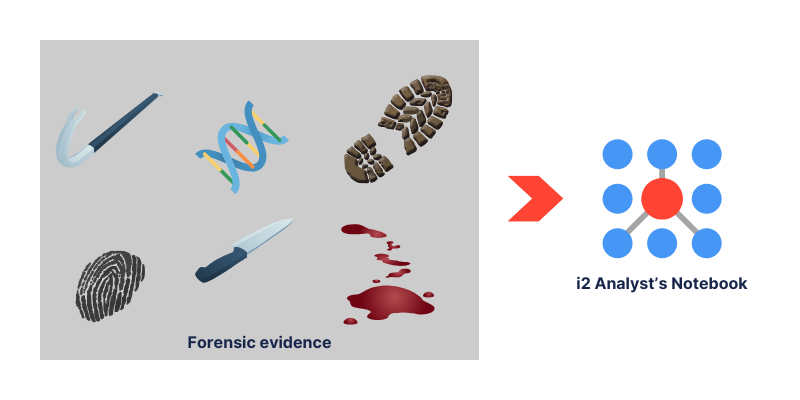
This is where i2’s advanced visual analysis solutions, i2 Analyst’s Notebook and Analysis Studio, become indispensable tools.
By applying forensic intelligence principles through these software solutions, analysts can integrate disparate pieces of evidence such as DNA, fingerprints, digital traces and crime scene data into visual intelligence products that directly link suspects, events and offences. The result is a richer, more holistic understanding of criminal activity and, ultimately, a stronger pathway to bringing offenders to justice.
Understanding how to apply and implement the discipline of forensic intelligence using i2’s visual analysis tools is not just an academic exercise – it is a practical cornerstone of modern investigative work and can help forensic students advance professionally early in their careers by providing them with the means to expand on the critical thinking and process-awareness skills they learn on the course.
This is why we offer academic licences of i2 solutions to approved universities and similar institutions, so that students and researchers alike can learn, teach and advance the integration of forensic intelligence using the same industry-standard tools relied upon by investigators worldwide.
i2 Analysis Studio provides single users, such as students, with a range of analysis tools, visualisation, chart storage and dissemination capabilities so they can uncover patterns, trends and connections that will assist them in their forensic intelligence gathering.
Building on i2 Analyst’s Notebook’s capabilities, the software analysis tool provides a shared chart store, a web client and also the ability to connect to and search external, third party data sources.
For the forensic students enrolled on the above courses, this visual analysis tool would certainly be instructive in supporting them to complete their seven tasks, particularly the final one on pattern detection and analysis.
Likewise, i2 Analyst’s Notebook’s rich visual analysis enables its users to pull high-quality, actionable intelligence from complex sets of disparate information, handing the forensic student the tools to think more critically, work collaboratively and, importantly, identify the connections that link people to a crime.
Martin worked as a law enforcement officer and analyst at the Danish National Police for 16 years before joining i2 Group in 2015. Previously leading the EMEA technical sales team, Martin is now Global Law Enforcement Industry Leader.
See how i2’s market-leading solutions are used globally in some of the most demanding operational environments. Request a demo to explore how they support real-world decision-making.





© 2026 i2 Group / N. Harris Computer Corporation. All trademarks owned by N. Harris Computer Corporation.
1 Cambridge Square, Milton Avenue, Cambridge, CB4 0AE, UK